
About Optimise CI, Optimise Pro and Consultant Interviews.
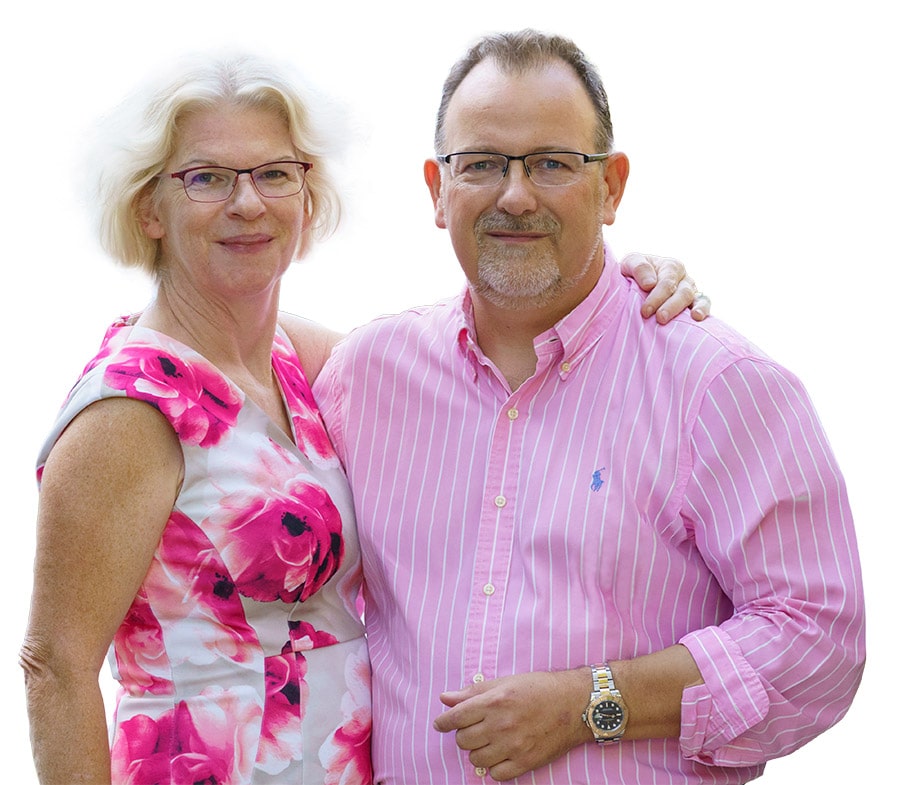
Consultant Interviews is the passion and brainchild (more of a late teenager as we have been doing this for nearly 20 years!) of two individuals:
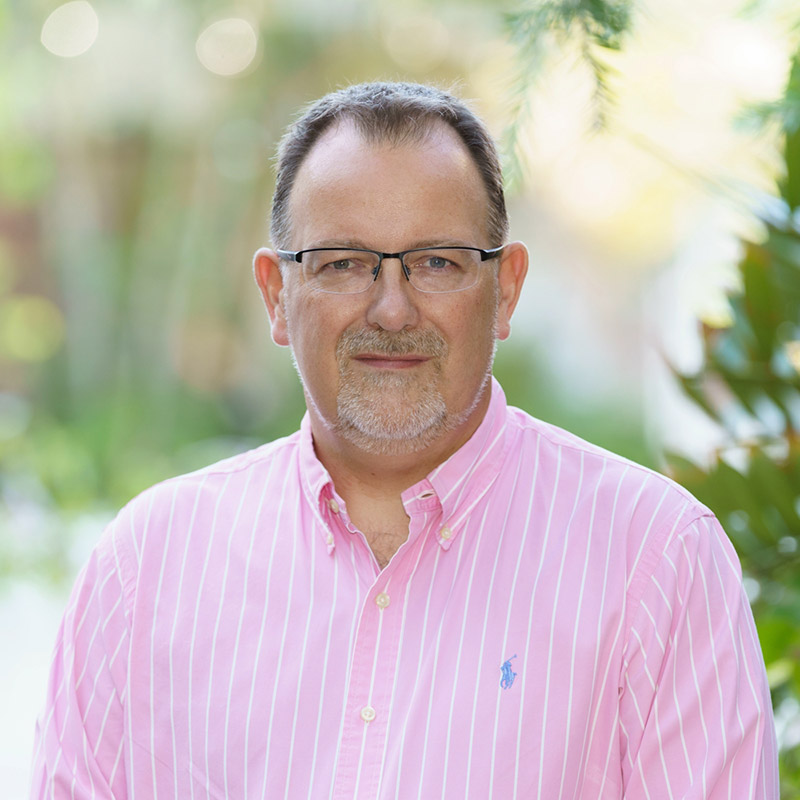
Andrew Vincent
MBA DipM
Coaching Lead
Director of Optimise Pro LLC & Optimal Healthcare Ltd
Andrew has a career-lifetime of experience in healthcare, including establishing clinical provider organisations and appointing to them. He is renowned for his insight into NHS priorities, his work in influencing & communications and holds multiple psychological accreditations. Co-author of The Consultant Interview (Oxford University Press), he is also lead designer of the Consultant Interview Course, as well as lead coach.
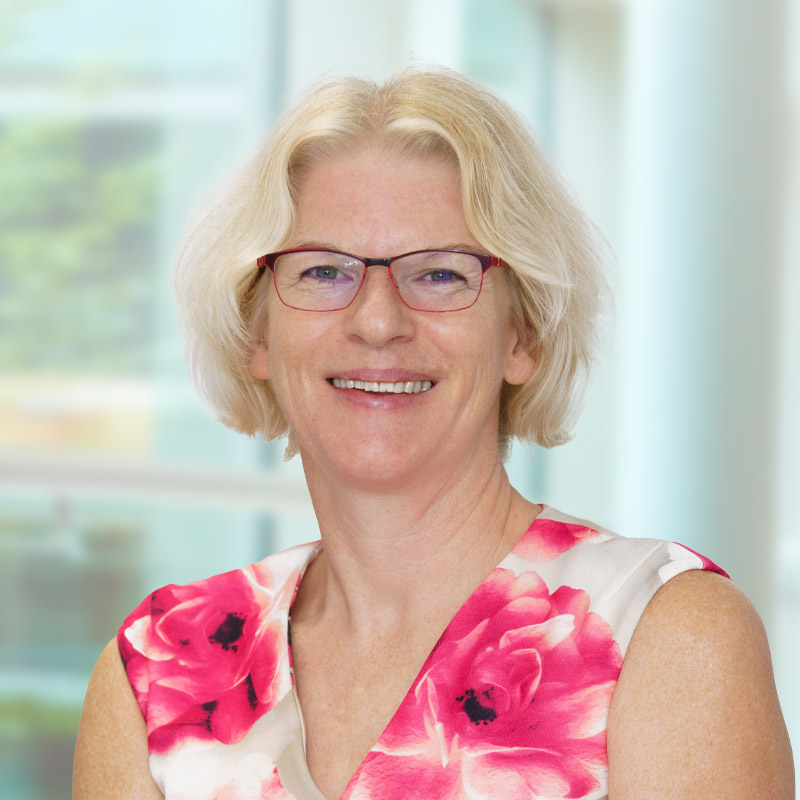
Dr. Sara Watkin
MB ChB, MRCP (paeds), FRCPCH, MD
Consultant Paediatrician & Neonatologist Medical Director, Optimal Healthcare Ltd
Sara has over 30 years’ experience as a consultant, with nearly 15 years as Service Chief, including at Nottingham and UCLH. She has previously held roles as Clinical Network Lead and Member of the National Neonatal Clinical Reference Group. She’s currently Medical Director of Optimal Healthcare Ltd, has a busy clnical practice and is also co-author of The Consultant Interview (Oxford University Press).
An Evolving Journey
Firstly, we never set out to build a business around consultant interviews.
This work grew out of what Sara and I were already doing, long before there was a platform or a formal programme.
While Sara was working as a Consultant Paediatrician and Neonatologist, and later as Chief of Service at Nottingham and UCLH, appointing consultants as part of her senior leadership roles, I was working alongside consultants and senior trainees in a different but closely related way. My focus was on leadership, communication, influence, and helping doctors make sense of the growing complexity of the NHS.
I spent years immersed in how the NHS actually works. How policy turns into pressure on the ground. How change is implemented, resisted, or misunderstood. I wrote and spoke about this extensively, including authoring a book on the NHS and what was happening to it at the time. That work turned out to be far more relevant to consultant interviews than I ever expected.
At the same time, Sara was seeing interviews from the panel side. She was appointing consultants (and trainees), listening carefully to how candidates explained their thinking, and deciding who felt ready to take on senior responsibility. We were both noticing the same pattern.
Many excellent doctors were struggling to express how they thought and what they were capable of.
They knew their clinical work. They were committed and capable. Yet when asked about leadership, priorities, system pressure, or service development, their answers often failed to land. And so many, if not most, struggled to sell themselves, not least because the natural humility associated with medicine played against them in an interview. And it most certainly was not because they lacked insight, but because nobody had helped them translate experience into language that panels recognise and trust.
So we started helping people, and our formal NHS interview coaching began.
As the work grew, we were approached by Oxford University Press to write The Consultant Interview. That invitation was both an honour and a turning point. Writing the book required us to go much deeper than ad-hoc coaching ever had. We had to analyse interviews systematically, test assumptions, and articulate clearly what distinguished strong candidates from appointable ones.
That process sharpened everything.
Then life shifted.
An International Dimension…
Sara was offered the role of Neonatologist for Grand Cayman. It was a chance to make a meaningful difference in a smaller system, and also an opportunity for us to explore a different way of living. We moved, knowing that professionally things would obviously change.
What surprised us was how little the demand for this work diminished, and thus how much of a difference we must have made.
Doctors continued to seek support, often with even less time and more at stake. So we continued, and moving online allowed us to build something more structured and more comprehensive, not just limited to the coaching sessions themselves. It allowed us to cover not just interview technique, but other aspects of overall success, like pre-interview visit strategy, presentations and even CVs, and especially the evolving NHS – a topic that terrifies most at this crucial of career moments.
Interestingly, as we built the additional resources, our exceptionally success rate went up. It became even more clear that it was the combination of the preparation strategy, the right preparation guidance, facilities and resources, and the coaching that produced the level of success we achieve.
And alongside this, we created our own clinical organisation (actually two now) and appointed extensively to them.
And that is how Consultant Interviews took its current form.
Between us, we have now supported hundreds of candidates in the UK and jointly appointed more than a dozen consultants across multiple specialties here in Cayman. We continue to develop this work because the system keeps changing, and because interviews now ask far more of candidates than they once did, and because people keep asking.
Our focus has remained constant.
We want to help doctors get the jobs they genuinely want.
We want to help them prepare well, without pretending they have unlimited time, and indeed recognise that the timescales become ever shorter too.
We want to help them answer difficult questions in ways that are honest, credible, and grounded in how healthcare really works.
Evolving Format
We recognised way back that to succeed, people needed much more than just coaching or a course. They needed a preparation system designed specifically to put them in the right state of readiness. In almost every other aspect of people’s lives and careers they have a plan, and yet so many were ‘winging it’ with a single moment in time (the interview) that could determine the next 30+ years of professional existence.
So we designed that system. And called it our 8P Process. And we continue to feed it, build it, refine it and innovate.
The Future?
The work itself remains deeply personal. We’re passionate about it. It is shaped by our experience, written by us, and driven by a genuine commitment to helping doctors step into the roles they really want.
It’s already superior to anything available but the challenges keep changing too. Candidates turn up with 7 days’ notice of interview. Gone are the days where they were granted leave to go meet and explore, and time off to prepare. So we’re constantly evolving how we can address these challenges in an era of ridiculous clinical pressures, ever shortening notice and arguably greater than ever costs to failure. And we won’t stop.
And Optimise Pro?
Optimise Pro exists simply as the structure that allows this work to operate smoothly at scale across international boundaries. It gives us access to secure international payment systems that are not available directly from Cayman. It is a practical decision, nothing more.