
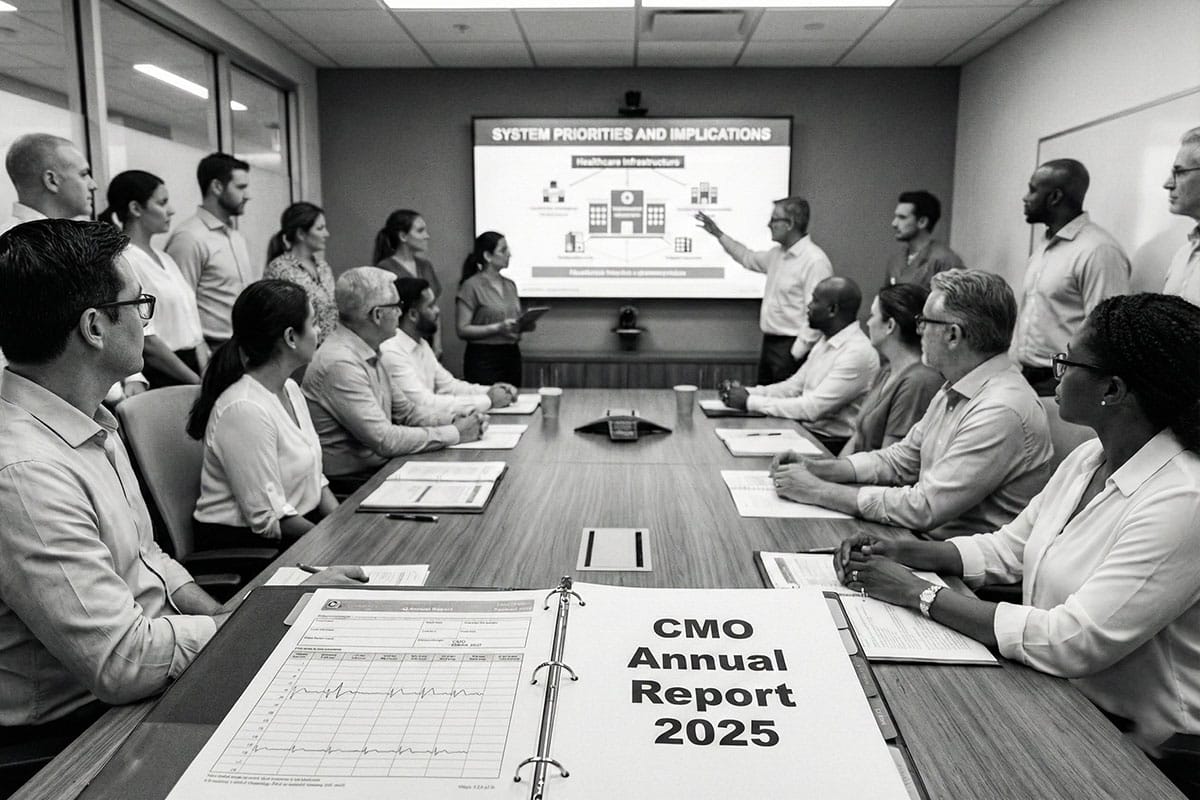
With Covid seemingly rear-view mirror, at least at a policy level, it is easy to feel that the biggest infection threats are behind us. The Chief Medical Officer’s Annual Report for 2025 is a reminder that that infections are not just about pandemics and in fact are increasingly prevalent in shaping strategies, not least because of their pressure on services becoming near-constant, not just seasonal.
Introduction
Professor Chris Whitty’s 2025 Annual Report focuses entirely on infections in England. It looks at where infection control has been successful, where new risks are emerging and what needs to change if the NHS is to protect patients and keep services running safely. The report identifies seven key themes, ranging from infections in older adults and vaccine coverage to antimicrobial resistance and infrastructure. For consultants, this matters because it will shape national expectations on prevention, preparedness and the way services support high risk groups over the next decade. And that means Trusts appointing new consultants are likely to start asking consultant interview questions in this area.
What is being announced, highlighted or changed
The report does not introduce a single new policy. Instead, it gives a structured picture of where infection risk is highest and how the system should respond. The seven themes it highlights include:
- Infections in older adults, which account for most infection related deaths and can trigger stroke, heart problems, delirium and loss of independence if not prevented or managed well.
- The role of infection control and vaccination in preventing some cancers, for example through HPV vaccination and hepatitis B control.
- Infections in pregnancy and the neonatal period, which still carry significant risks for mothers and babies.
- Declining coverage of routine childhood and adolescent vaccinations in the last decade, particularly in more deprived areas and some large cities.
- Imported infections, including malaria and other pathogens linked to travel, which require maintained specialist expertise.
- Antimicrobial resistance as a growing constraint on safe treatment, requiring better stewardship, diagnostics and global collaboration.
- The need to maintain pandemic preparedness and high consequence infection capability even in quiet periods.
Across these themes, the report emphasises that infections are not a historical problem that has been solved but an omnipresent threat that continues to drive of mortality, morbidity and operational disruption, especially for older people and those with frailty. This is an extensive of what actually happened during Covid, where not only were the elderly and frail at far higher risk from Covid itself, but also subject to the greatest effects of an ill-equipped system. Simply put, it left services struggling to know how to deliver care for these groups without the very care delivery itself putting them at risk.
How this adds to what is already known
Several of the issues in the report will feel familiar. Antimicrobial resistance has been a standing concern for years. Services already know that winter infections affect flow and elective activity. What is different here is the way the report brings the threads together and gives them a single, long-term frame. It:
- Puts older adults at the centre of the infection conversation, pointing out that prevention for this group has not been as systematic as for children and young adults.
- Treats vaccination as a life course intervention, not just a childhood programme.
- Links infection control directly to healthy life expectancy, health inequalities and the ability of older people to remain independent.
- Stresses that the estate, ventilation and design of settings are as important as medicines and diagnostics in controlling infection.
- Reiterates that pandemic threats are predictable in principle, even if their timing is uncertain, so preparedness must be sustained between events.
For consultants, this report moves infection risk from a narrow topic into a broad framework that touches clinical practice, service design, capital planning and long-term prevention. From an interview candidate perspective, it becomes advisable to both follow this as a theme and be ready for some telling questions. The good news is that even if this doesn’t appear in your interview this time, it’s absolutely vital consideration for all consultants, with patients from the youngest to the oldest and everything in between, across pretty much all specialties.
Implications for the NHS system, Trusts and professionals
There are practical implications at every level of the system, even if the report itself is not a directive.
First, a short meaning paragraph
The overall message is that infection risk must be built into normal planning, not treated as an occasional crisis. You could say this has always been there. But, as a wise older colleague used to say to me, “if you aren’t really doing it, then it is new to you!”. Older adults, people with chronic disease and those at the margins of services carry most of the burden. Surveillance, infrastructure, workforce skills and research all need to work together if services are to prevent avoidable harm and maintain capacity in the face of respiratory seasons, antimicrobial resistance and new threats. And consultants are front and centre in this at both the care delivery, and the local system leadership levels.
Expectations
System level (ICB, regional and national)
- Integrate the seven infection themes into prevention, ageing well and winter plans.
- Work with UKHSA, local authorities and primary care to strengthen surveillance, especially for older adults and high risk populations.
- Support capital plans that improve ventilation, crowding and infection resilience in priority sites such as emergency departments, assessment units and care homes.
- Align antimicrobial stewardship, vaccination strategies and health inequality work so they reinforce each other. GOV.UK+1
Trust level
- Update trust wide infection prevention and control strategies to reflect the report, with older adult risk explicitly considered.
- Ensure the Board receives clear reports on nosocomial infection rates, serious incidents linked to infection and antimicrobial stewardship performance.
- Work with estates teams to identify wards, theatres and outpatient areas where ventilation and layout create higher infection risk and plan phased improvements.
- Strengthen links with local care homes, community providers and maternity services so infection control is joined up rather than siloed. Patient Safety Learning – the hub+1
Service level
- Review pathways for older adults, pregnant women and neonates to identify points where infection risk is high and prevention could be more systematic.
- Make sure vaccination status is asked about and recorded in relevant clinics, especially for flu, pneumococcal, shingles, RSV and COVID where programmes exist.
- Use local surveillance and UKHSA reports to adjust pathways in high risk weeks, such as the early flu season or RSV surges.
- Embed antimicrobial stewardship into day to day practice with clear guidance and feedback to teams. UK Government Assets+1
Consultant and leadership level
- Lead by example on infection prevention, appropriate antibiotic use and vaccination advocacy in your specialty.
- Work with IPC and microbiology colleagues to understand infection patterns in your service and to tackle recurring problems such as device related infections.
- Support juniors and wider teams to understand infection risks in older adults, including the impact on stroke risk, heart disease and cognition, and make this part of routine assessment. The Guardian+1
- Contribute to preparedness planning, including business continuity scenarios where infection surges may affect staffing, flow or elective capacity.
Consultant interview relevance
This report touches many themes that commonly appear in consultant interviews: patient safety, quality improvement, winter resilience, health inequalities, estates, data and leadership. Panels may not ask about the report by name, but they are likely to explore its content. Questions about how you protect older adults, safeguard high risk patients, use surveillance data and contribute to preparedness all fit directly with the themes. Candidates who can connect national infection priorities with local, practical actions will stand out.
Possible interview questions
- How would you strengthen infection prevention and control for older adults in your specialty?
- What is your approach to antimicrobial stewardship and how would you work with microbiology or pharmacy to improve practice?
- How would you use surveillance data and UKHSA reports to adjust your service during a surge in respiratory infections?
- Which infrastructure or environmental changes would you prioritise to reduce infection risk in your department?
- How would you prepare your service for a new high consequence infection while maintaining core activity?
How to use this information
- Read the executive summary of the CMO report and note the seven themes in your own words.
- Map those themes onto your local context. For example, consider how they apply to your frail older population, your elective programme or your maternity service.
- On pre interview visits, ask IPC leads, geriatricians or microbiologists how the trust is responding to the report and what the current infection challenges are.
- Prepare one or two concrete examples of how you would improve infection resilience in a pathway you care about, with a clear link to patient outcomes and service capacity.
- Be ready to talk about how you would support vaccination, stewardship and surveillance in your day to day leadership.
Summary
The CMO Annual Report 2025 on infections is not a narrow technical document. It sets out a clear case that infections, especially in older adults, will shape health outcomes and service delivery for many years. It highlights seven themes that affect everything from estates and data to vaccinations, pregnancy care and antimicrobial resistance. Consultants who understand these themes and can describe practical steps in their own services will be better placed to answer interview questions on safety, resilience and leadership.
Cheat Sheet: how to say this in interview
The CMO’s 2025 report makes infections in older adults, vaccination and antimicrobial resistance central priorities for the NHS.
The risk is that if we treat infections as a solved problem, we will see more avoidable deaths, strokes and loss of independence in older people and more pressure on services each winter.
In my service I would work with IPC, microbiology and geriatric teams to make prevention for older adults more systematic, including vaccination checks and earlier escalation when they deteriorate.
As a consultant leader I would use local data to track infection patterns, support stewardship and push for estate changes where ventilation and environment are clearly contributing to risk.
I would frame infection resilience as part of long term healthy ageing and service stability, not only as a short term winter issue.
Sources
Chief Medical Officer’s annual report 2025: infections – main page
https://www.gov.uk/government/publications/chief-medical-officers-annual-report-2025-infections
Executive summary and recommendations
https://assets.publishing.service.gov.uk/media/69302a3a5b5198836f303fae/cmo-annual-report-2025-infections-executive-summary-and-recommendations.pdf
How we help candidates prepare for their consultant interview
We help resident doctors and consultants prepare for their consultant interview through an extremely comprehensive NHS interview skills course and preparation programme, as well as coaching where desired. Calls like this article are exactly why members tell us our approach saves them time and makes their answers stronger. We monitor national sources and translate the myriad of moving parts into practical, interview-ready insight.
Our programme uses our proprietary and unique 8P approach to ensure absolute and maximal readiness. It includes:
Planning – your whole interview preparation strategy to maximise effectiveness
Principles – a full interview skills video course split into helpful sections or topics
Priorities – constantly updated insight into the NHS and key issues such as demand, workforce, safety, access and digital change
Pursuing – for those still applying for posts, optimising your application to ensure shortlisting
Panelling – ensuring your pre-interview visits and conversations serve you well whilst guarding against common pitfalls
Presenting – tackling the near-universal 10-minute presentation confidently
Preparing – a vast bank of questions (over 300, constantly updated), cheat sheets and rehearsal scenarios
Pausing – to learn from feedback and refine your approach until success is achieved (hopefully, with our support, you never even need this section)
This article is one example of how we keep you current and help you turn national policy into credible local actions you can talk about with confidence. If you want the whole methodology with templates, lived examples and coaching, see our NHS Consultant Interview Course.
